Research and development
Research & Innovation
Engineering new possibilities for mobility and rehabilitation
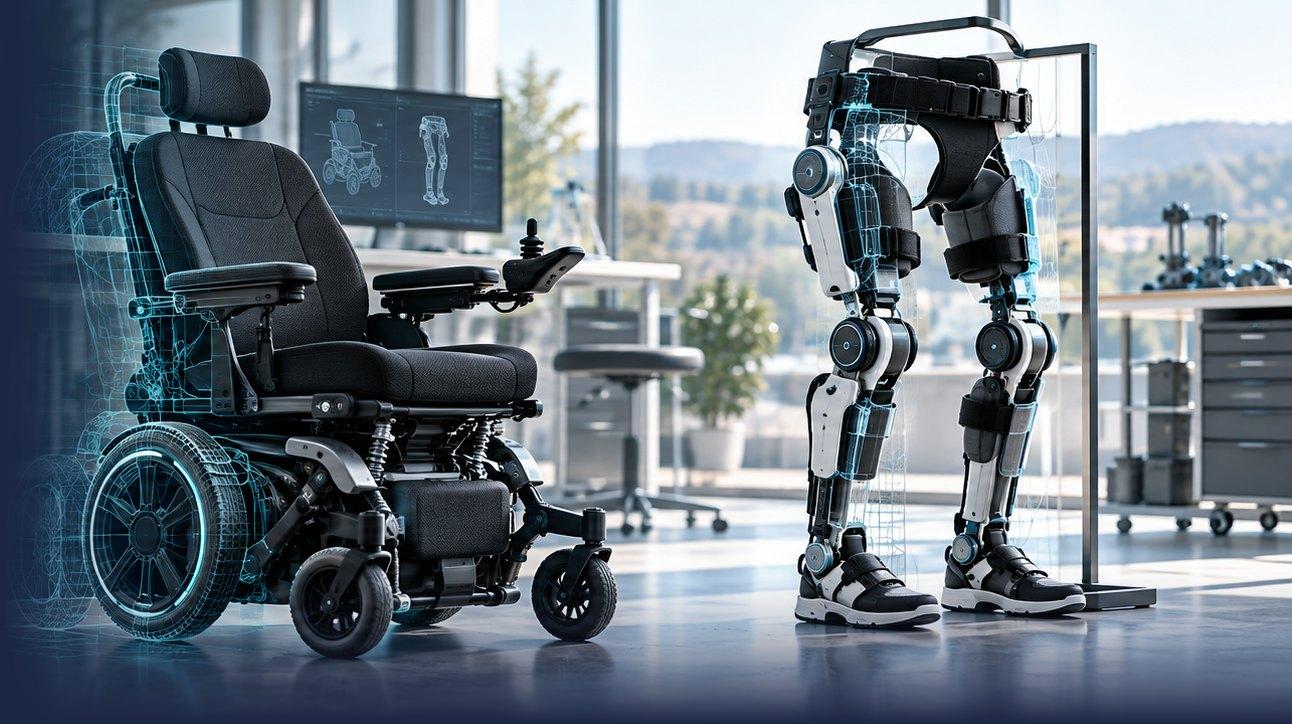
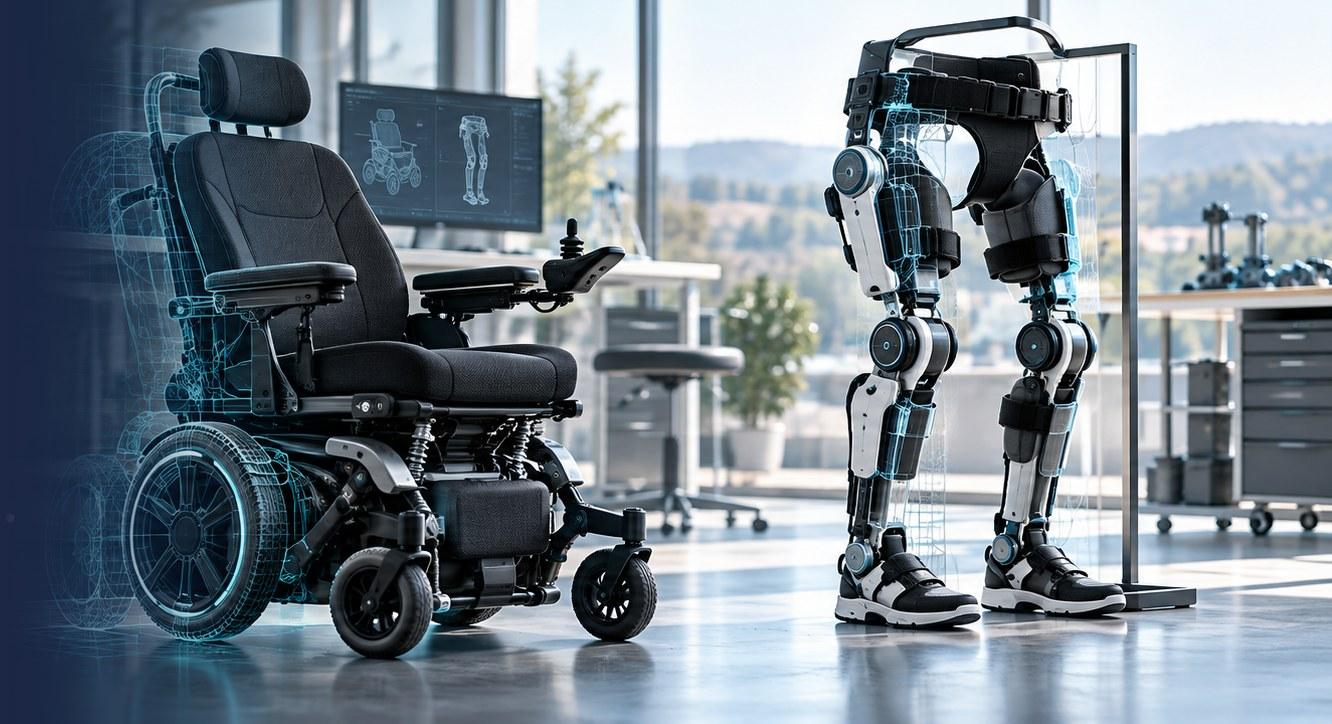
At Mobility100, our vision combines access to mobility and rehabilitation equipment with the design and development of new solutions. We aim to translate engineering research into practical technologies that support independence, assist rehabilitation and address everyday challenges faced by users and care professionals.
Our R&D direction draws on our co-founder’s research experience in biomedical engineering and assistive technologies. This provides a foundation for exploring new designs and improving how mobility and rehabilitation equipment responds to individual needs.
Research expertise behind Mobility100
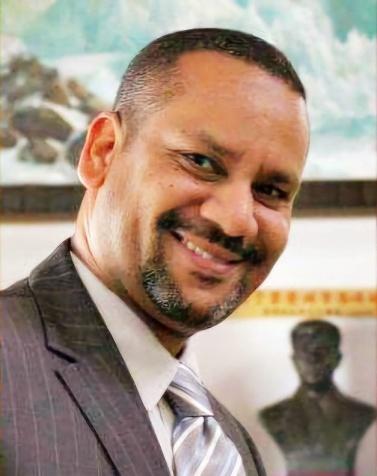
Dr Khaled Goher, PhD, CEng, FHEA
Co-Founder and Chief Strategy Advisor
Khaled Goher brings more than twenty years of international experience in biomedical engineering, robotics, mechatronics and engineering design. His academic research focuses on translating engineering innovation into healthcare applications, with particular interests in mobility, rehabilitation and independent living.
He has led and contributed to projects involving rehabilitation robotics, wearable assistive systems, adaptable exoskeletons, prosthetic technologies and soft robotic actuators. Specific examples include soft actuators for stroke rehabilitation, prosthetic systems for children and AI-enhanced rehabilitation technologies. His research outputs also include work on prosthetic hand design and healthcare technologies for assisted living.
Across his academic career, he has secured research funding from organisations including EPSRC, Innovate UK, the British Council Newton Fund, BBSRC, ERDF and Oman’s Ministry of Higher Education, Research and Innovation.
This experience informs Mobility100’s ambition to develop new solutions and build collaborations that connect engineering research with practical mobility and rehabilitation needs.
Development priorities
Our development interests centre on technologies that assist movement, support rehabilitation and make equipment easier to use.
Assistive mobility systems
Exploring designs that improve physical support, adaptability and usability in everyday environments.
Rehabilitation robotics
Investigating robotic mechanisms and control systems that can assist movement and rehabilitation exercises.
Wearable assistance and prosthetic technologies
Exploring devices that respond to different physical requirements, with attention to fit, comfort and functional design.
Soft robotics and intelligent systems
Investigating flexible mechanisms for physical assistance, alongside sensors and AI-enabled control that may help devices respond to individual needs.
These priorities guide the research and development opportunities we seek to pursue through collaboration.
Our development approach
Our approach starts with understanding the challenge a person faces and the environment in which a solution will be used. These needs guide decisions about mechanical design, sensing, actuation and control.
We aim to develop ideas through concept design, prototyping and performance evaluation. Feedback from users and rehabilitation professionals will help refine designs and assess their practical value.
Comfort, accessibility and ease of use are central considerations, alongside safety, technical feasibility and the requirements for bringing new products to market. Our goal is to develop solutions whose engineering performance serves a clear human purpose.
Student Innovation Competition
Our first international competition invites undergraduate students worldwide to pitch a practical solution in mobility, rehabilitation or AI in healthcare.
Research and development collaboration
We welcome discussions with universities, researchers, rehabilitation professionals and manufacturing partners interested in developing mobility and rehabilitation technologies.
Opportunities may include identifying unmet needs, exploring new concepts, developing prototypes and evaluating potential improvements to existing equipment. Through these collaborations, we aim to connect research expertise with practical development and build a pathway towards useful, accessible solutions.
Contact Mobility100 to discuss research collaboration or joint development opportunities.